
Public Service Vehicle operators in Kenya need to treat tracking and compliance as part of daily operations, not an optional extra. For matatus, buses, and other PSVs, the practical issue is whether the fleet is properly set up for monitoring, safety, and accountability.
Introduction
Running a PSV in Kenya comes with strict compliance expectations because passenger safety, accountability, and road discipline are central to the sector. Vehicle tracking is now closely tied to safety oversight, route monitoring, and responsible fleet management.
For operators, the key question is not whether tracking matters, but whether their vehicles are properly prepared for current regulatory expectations and enforcement realities. A working tracking system can support both compliance and day-to-day business control.
Why Tracking Matters
Tracking helps operators know where their vehicles are, how they are being driven, and whether they are following approved routes or schedules. It also helps create accountability across the fleet and reduces the chances of unauthorized use.
Because PSVs carry passengers, any loss of control, misuse, or unsafe driving behavior can affect many people at once. Tracking adds a layer of visibility that can help operators respond faster when something goes wrong.
What Operators Must Know
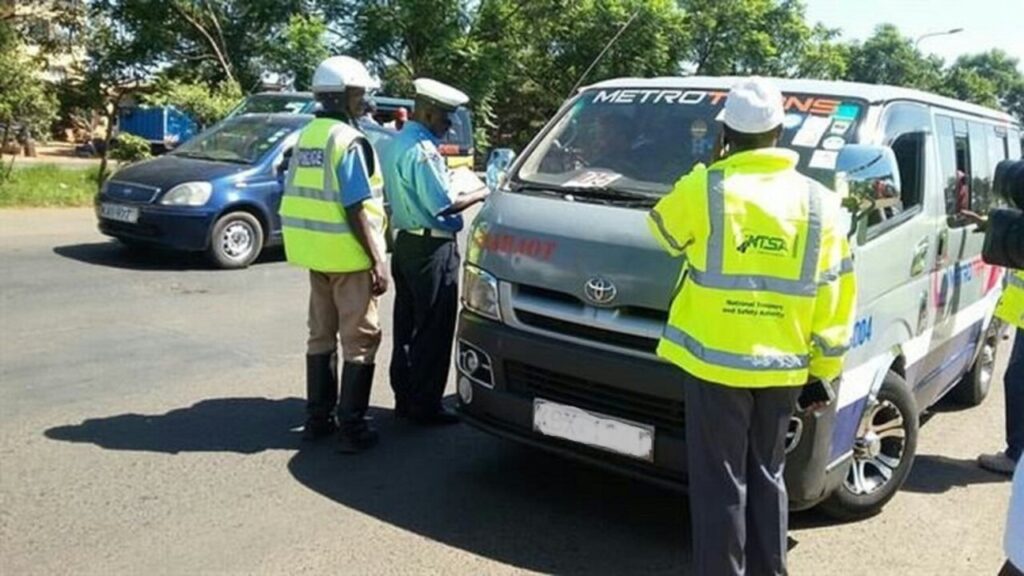
The NTSA regulatory framework for PSVs places responsibility on operators to meet safety and operational standards continuously. That includes ensuring that any required tracking or telematics equipment is properly installed and functioning.
Operators should not wait until inspection day to think about compliance. They need to make sure their vehicles are roadworthy, properly licensed, and fitted with systems that support lawful operation.
A tracker that is installed but inactive does not help with compliance or safety. Operators should confirm that devices are working, alerts are active, and reporting is available when needed.
Core Compliance Areas
Here are the main areas PSV operators should pay attention to:
-
Vehicle tracking and monitoring systems that are working properly.
-
Valid PSV licensing and operating approvals.
-
Road safety equipment and general vehicle roadworthiness.
-
Evidence of responsible fleet management, including route monitoring and driver accountability.
Tracking is only one part of the compliance picture. A PSV still has to meet all other licensing, safety, and operational requirements.
Practical Steps for Operators
Start by auditing your fleet. Check which vehicles have tracking installed, whether the devices are active, and whether alerts and reports are functioning correctly.
Next, confirm that your tracking solution is suitable for PSV operations and can support route history, geofencing, movement alerts, and management reporting.
Finally, train drivers and supervisors so they understand that the tracking system is part of lawful operation, not just a monitoring tool. That reduces tampering and improves compliance culture across the business.
Common Mistakes
One common mistake is assuming installation alone is enough. If a tracker is switched off, tampered with, or poorly maintained, it may fail when it matters most.
Another mistake is focusing only on price and ignoring reliability. A cheap device that does not support your compliance needs is not a good investment.
A third mistake is ignoring the wider PSV compliance requirements and treating tracking as the only issue. Operators need to stay aligned with licensing, roadworthiness, and safety obligations as well.
Business Benefits
Even beyond compliance, tracking can help PSV operators run a better business. Fleet visibility can reduce unauthorized detours, improve fuel control, and make scheduling easier to manage.
For owners with several vehicles, tracking can also help identify poor driving patterns and improve route efficiency. That can lower operating costs over time.
So while the regulatory side is important, the commercial benefit is also significant for any operator serious about long-term performance.
Conclusion
NTSA tracking requirements for PSVs in Kenya should be treated as part of a broader compliance and safety framework, not as a stand-alone gadget issue. Operators need vehicles that are properly licensed, monitored, and ready for inspection at all times.
If you run a matatu, bus, or any other PSV, the safest approach is to make sure your tracking system is active, your provider is suitable, and your fleet processes support accountability. That helps reduce risk while improving safety and fleet performance.
FAQ
Q1: Is GPS tracking mandatory for all PSVs in Kenya?
PSV operators should treat tracking as a key compliance issue and confirm the exact current requirement for their vehicle category and service type.
Q2: What happens if a PSV is not compliant?
Non-compliance can expose the operator to enforcement action, including penalties and other regulatory consequences.
Q3: Does installing a tracker automatically make a PSV compliant?
No. Tracking is only one part of the compliance picture. PSVs must also meet licensing, roadworthiness, and other safety obligations.
Q4: What features should a PSV tracking system have?
A useful system should offer real-time location monitoring, route history, movement alerts, and dependable reporting for fleet oversight.
Q5: Why should operators care about tracking beyond compliance?
Because it improves accountability, helps control fuel and route misuse, supports safer operations, and gives management better control over the fleet.
Q6: What should operators do next?
They should audit their fleet, confirm device functionality, verify provider suitability, and ensure every vehicle is aligned with current NTSA requirements and inspection expectations.